Find out what athletes at all levels should eat and drink before, during and after sports and exercise. Also find information about supplements and their risks.
Key points
Athletes should eat to match how much they train. They should have four to six balanced meals and snacks per day and may need to adjust carbohydrate, protein, fat and fibre intake to support their activity level.
Athletes should keep a bottle of water nearby and take small, frequent sips throughout the day to stay hydrated.
For exercise lasting longer than an hour, water alone is not enough. Athletes also need electrolytes and 30 grams to 60 grams of carbohydrates per hour.
After exercise, athletes should continue rehydrating with fluids and electrolytes. They should also eat a recovery meal or snack with a 3:1 carbohydrate to protein ratio as soon as possible.
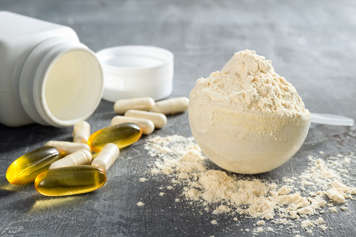
Supplements are not regulated. Athletes are encouraged to choose food first and take caution with any necessary supplementation.
Introduction
Regular exercise through sport and play are important for the health of children and teens. Healthy eating supports good exercise habits and is important for developing muscles and bones.
Nutrition plays an important role in daily energy levels and keeping energy levels high before, during and after exercise.
More information
Macronutrients
Macronutrients are nutrients the body needs in large amounts. There are four macronutrients: carbohydrates, protein, fat and water. All macronutrients are important for athletes and help the body in different ways.
1. Carbohydrates Carbohydrates, or carbs, are the body’s main source of energy. They can be found in starchy foods and foods containing natural sugar, such as bread, rice, pasta, corn, potatoes and fruit. Carbohydrates can also be found in foods with added sugars, such as flavoured dairy (e.g., chocolate milk, fruit yogurt) and baked goods.
2. Protein The body needs protein to grow and repair cells. Protein can be found in both animal and plant sources. Animal sources of protein include chicken, pork, beef, seafood, eggs and plain dairy. Plant sources of protein include beans, lentils, chickpeas and soy-based products such as tofu, tempeh and edamame.
3. Fats Fats are important for energy reserves, for insulating and protecting the organs and for helping the body absorb fat-soluble vitamins (e.g., vitamins A, D, E and K). Heart-healthy fats, known as unsaturated fats, are typically found in fatty fish, avocado, oils, and nuts and seeds. Saturated and trans fats are typically found in processed meats, packaged snacks and deep-fried foods.
4. Water Water lubricates the body and helps the body digest food, flush out waste and regulate temperature. Water can come from both food and fluids. Water, milk, juice, smoothies, pop, sport drinks, fruit, vegetables, soups and stews can all contribute to an athlete’s daily fluid intake.
Day-to-day nutrition
Fueling day to day
Balanced meals
Canada’s Food Guide recommends having half a plate of fruit and/or vegetables, a quarter plate of protein and a quarter plate of carbohydrates (carbs). While this works well for many people, following this recommendation unfortunately leads many athletes to under fuel. It is important that athletes eat to match their training volume. More exercise (intensity and/or duration) means the body needs more carbohydrates for usable energy. Including more fats is also helpful for athletes because fats offer more energy in a smaller amount of food. Below are recommendations based on activity levels.
Easy training or rest day: 1/2 plate fruit/vegetables, 1/4 plate protein, 1/4 plate carbs
Hard training or competition: 1/4 plate fruit/vegetables, 1/4 plate protein, 1/2 plate carbs
Balanced snacks
Eating every two to four hours helps balance energy levels, which is good for both health and performance. Athletes should aim to eat at least four to six times per day (e.g., three meals and one to three balanced snacks). Balanced snacks combine carbohydrates for quick energy with protein for lasting energy. These are some examples of balanced snacks:
Grapes and cheese
Pita and hummus
Dried fruit and nuts
Berries and Greek yogurt
Cereal and milk
Hydration
Athletes should keep their water bottle in sight and take small, frequent sips of fluid all throughout the day to stay hydrated. The natural electrolytes in meals and snacks can help the body hold on to fluid. So, pairing fluids with meals and snacks can result in better hydration and fewer bathroom breaks.
An easy way to self-monitor hydration is to look at the colour of your urine. Light yellow urine (similar to the colour of lemonade) is what athletes should aim for. Darker urine (resembling apple juice) likely means dehydration. Clear urine may mean overhydration. Morning urine colour provides information about how well hydration went the day before.
Nutrition and exercise
Fueling around exercise
Before exercise
What and how much an athlete should eat before exercise depends on how much time they have to digest. If an athlete has three or more hours before exercise, there is enough time for the body to process a full meal. In the one to two hours before exercise:
Choose foods that are higher in sugar and lower in fibre (e.g., simple and refined carbohydrates, such as bananas, dried fruit, applesauce snack cups/pouches, white bread/bagel with honey, or plain arrowroot/digestive cookies). The body can use this type of energy quickly.
Choose foods that are moderate in protein and fat to allow for easy digestion and prevent stomach upset. See balanced snack examples from above.
Choose familiar foods. Save trying new foods for days when there is no training or competition.
During exercise
Athletes lose water through sweat more quickly than their body can absorb the fluids they have consumed. The goal is for athletes to drink enough to avoid reaching a critical state of underhydration. It is important that athletes do not wait for thirst to drink. When an athlete feels thirsty, they are already dehydrated to the point that it is negatively impacting their performance. Athletes should consume fluids at least every 10 to 15 minutes during exercise.
After about an hour of physical activity, or when exercising in hot or humid weather, water alone is not enough to support performance. Athletes also need to replace the electrolytes lost through sweat (mainly sodium, some potassium). They also need to top up their carbohydrate stores with at least 30 grams (g) to 60 g of carbohydrate per hour. These are some sources of 30 grams of carbohydrate:
Sport drink (choose full-sugar versions)
Two packages of fruit snacks
Granola bar and fruit source bar
Applesauce: one to two snack cups or two to three pouches
A large banana
Quarter cup dried fruit
After exercise
After exercise, athletes are less hydrated and have lower muscle energy than they did when they started. It is important for athletes to have a recovery meal or snack as soon as possible to kickstart their recovery. Recovery meals and snacks should include the following:
Carbohydrates within 30 minutes to help refill muscle energy stores.
Protein within one hour to help repair muscles.
A 3:1 carbohydrate to protein ratio in the recovery meal or snack (e.g., 45 g to 60 g of carbohydrate and 15 g to 20 g of protein).
Water and electrolytes to replace what was lost during activity. Every kilogram of body weight lost should be replaced with 1 litre (L) to 1.5 L of fluid.
Foods that contain sodium (e.g., bagels, fish crackers, beef jerky, canned tuna).
Supplements
Supplement safety
What is a supplement?
Supplements include the following products:
Sport foods and fluids (e.g., protein bars, sport drinks, meal replacements)
Health supplements (e.g., vitamins, minerals, green powders)
Performance supplements (e.g., protein powders, creatine, amino acids, energy drinks, pre-workout)
Why are supplements risky?
Unfortunately, supplements are not regulated the same way food is. Manufacturers can introduce new supplements without special approval, and their safety and effectiveness may not be investigated until after a health risk is noted. Companies can make claims that are not backed by science and even place unlisted or banned substances in their products to enhance effects.
Most athletic governing bodies have created a list of substances that are banned from national and international competition. Athletes are 100% liable for any banned substances detected in their blood or urine samples, even if they consume it by accident or because a product was contaminated. Consequences may include being suspended from the sport or forfeiting medals.
How to reduce risks
There is no risk-free supplement. However, there are a few ways to reduce risks.
Choose food first.
Eat eggs, dairy, meat, fish, legumes, soy, nuts and seeds instead of taking protein powders, amino acids and/or creatine.
Fuel every two to four hours during the day and get eight to 10 hours of sleep each night to avoid needing to rely on caffeine.
Include dark leafy greens, whole grains, fruits and vegetables instead of using greens powders, prebiotics or fibre supplements.
Consume fermented foods such as miso, kimchi, kombucha and sauerkraut in place of probiotics.
Enjoy fatty fish, flaxseeds, chia seeds and walnuts instead of taking omega-3.
Consult a professional.
Before buying or using a product, talk to a qualified professional such as a sports dietitian or sports medicine physician to make sure a product is safe, legal and effective.
Choose third party–tested products.
Look for logos that read “Informed Sport”, “Informed Choice”, “NSF Certified for Sport”, or “BSCG”.
Check that the product is part of a tested batch by searching the batch or lot number on the corresponding third-party testing website.
Helping your child
Key takeaways
There is no one "miracle food" or supplement that can supply all nutritional needs. Certain foods supply mainly carbohydrates, proteins or fats. Other foods contain vitamins and minerals. The key to balancing diet and enhancing sport performance is to stay hydrated, include fruits and vegetables and combine foods that balance carbohydrates, proteins and fats. Timing is also just as important.
References
References
Dietitians of Canada, the American Dietetic Association, and the American College of Sports Medicine. (2000). Position Statement: Nutrition and athletic performance. Canadian Journal of Dietetic Practice and Research, 61(4), 176-191.
Purcell, L.K., Canadian Paediatric Society. (2013). Sport nutrition for young athletes. Paediatric Child Health, 18(4), 200-2. Retrieved from http://www.cps.ca/en/documents/position/sport-nutrition-for-young-athletes.